Test the Campaign Before You Run It
Who your customers are, how they feel, which of them are leaving, and which touchpoint actually earned the sale.

The capability.
Marketing AI is a set of models, each answering a different question about the same customer. Who are they, how do they feel, who is about to leave, and what actually earned the sale?
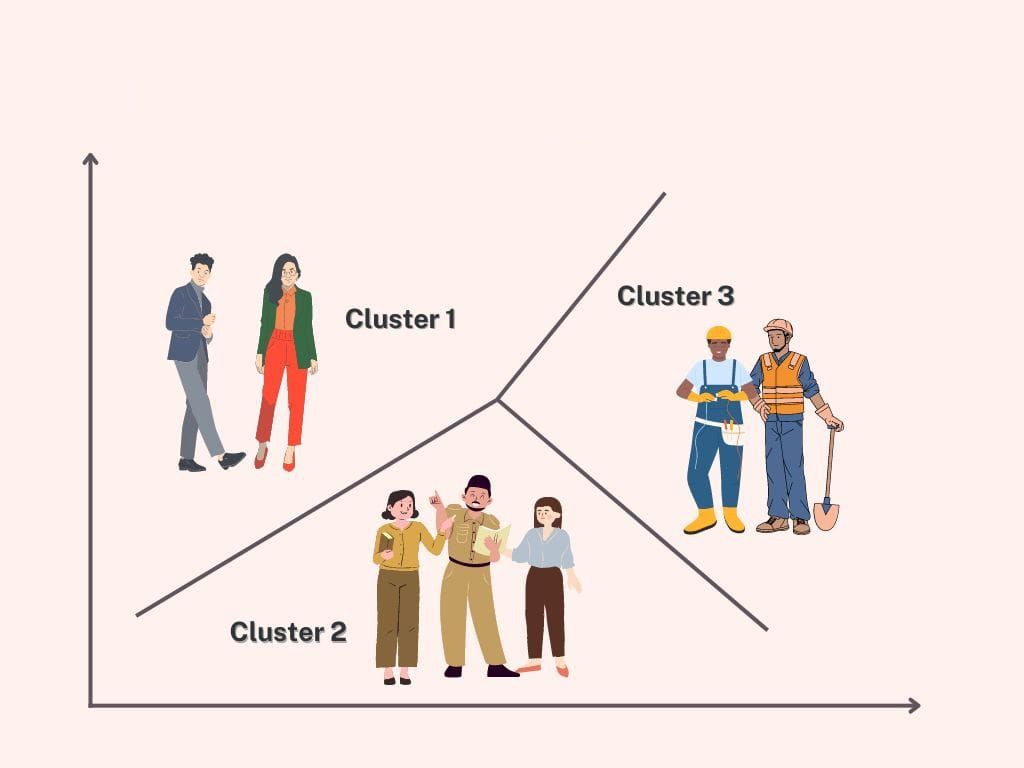
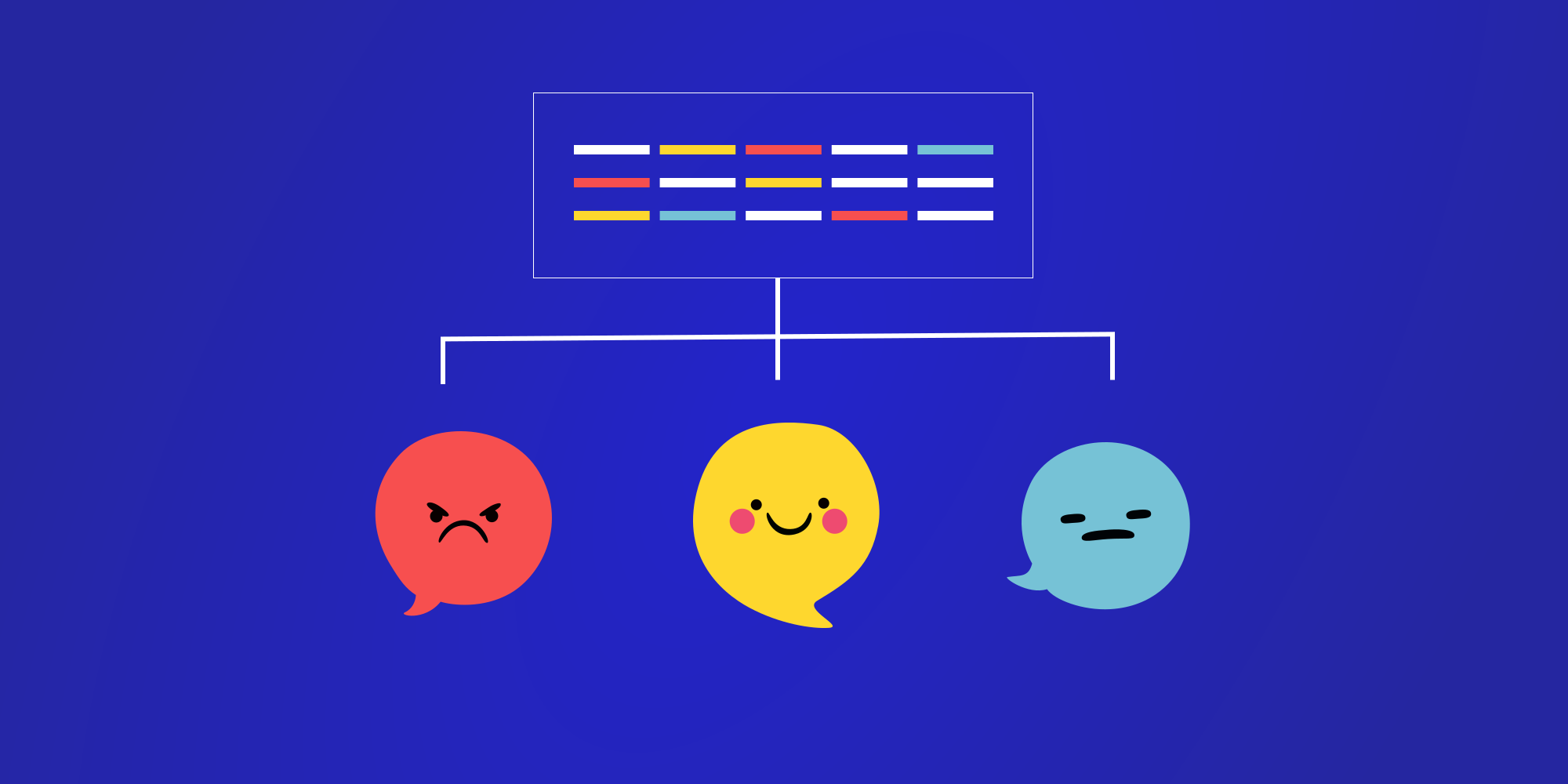
Customer segmentation groups people by what they are likely to do, and regroups them as behavior changes. Sentiment analysis reads what customers write in reviews, tickets, and replies, and tracks how the mood shifts.
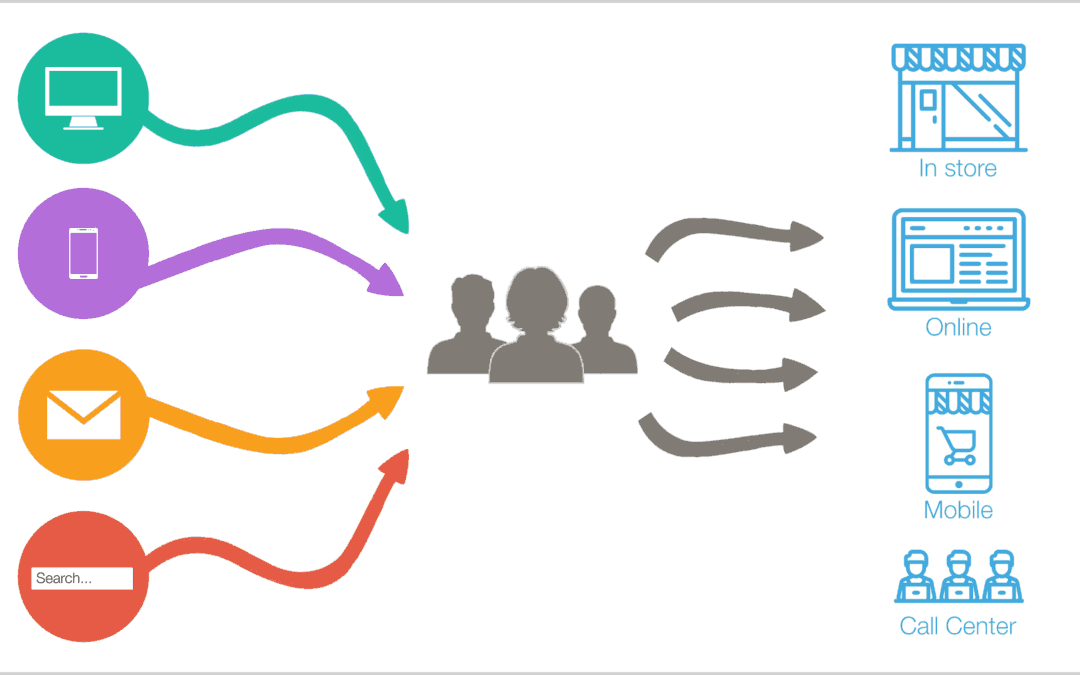
Churn prediction flags the accounts likely to leave while there is still time to act. Attribution modeling works out which spend caused an outcome, not just which channel came last.
Campaign simulation shows a campaign to a simulated audience before it runs. Content generation agents then write the copy that goes out.
Our approach.
All of it is built from your own data. One behavioral record per customer feeds segmentation, sentiment, churn, and simulation, so the four describe one picture.
Each model is judged on its own failure: a churn model on the accounts it misses, an attribution model on the spend it misplaces. Every score comes with its reason, so a team can act on it.
Simulation runs on the persona technology behind our social digital twins: pools of personas built from real behavior, each answering as its segment would. A campaign is tested on them before the budget is committed.
In practice.
Two parts already run in production. Content agents write the catalog in our e-commerce case study, and our sentiment and topic agents serve a public-opinion research system. BizScout, which we are now productizing, applies the same reading to companies and markets.
It fits marketplaces and retailers with more products than copywriters, and subscription businesses where keeping a customer pays more than finding one. It fits any team spending across many channels, too.
Attribution and churn show a number within a quarter, which makes them a good first step. Simulation pays off once the spend is large enough to be worth testing first.
Ready to build your AI capability?
We accept a limited number of research partnerships per quarter to ensure high-fidelity delivery.
Book a Discovery CallNot ready for a call? contact@whitehand.ai