The Price Follows the Market
Prices that respond to demand, inventory, and competition, and promotions that can show what each unit of spend earned.
The capability.
A price list is a set of decisions frozen on the day it was written. Demand, inventory, and competitors keep moving, and margin leaks both ways: units sold too cheaply, and units not sold at all.
Dynamic pricing makes those decisions continuously, against the signals that should drive them. Promotion optimization applies the same discipline to spend: which discount, on which product, for which segment, and what it returned.
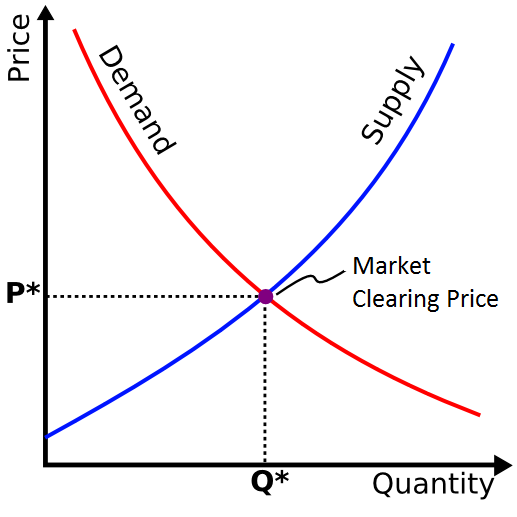
Both rest on a demand forecast. A price is only as good as the estimate of how much will sell at it.
Our approach.
The models are built from your own demand and inventory history. Your constraints are written in explicitly: price floors, brand rules, and contractual limits, so every proposed price is one you are allowed to charge.
Each price and promotion is simulated against the forecast before it goes live, so its effect on margin shows first. Every change names the signals that produced it, so it can be checked before it ships.
In practice.
Part of this already runs in production. In our e-commerce case study, the system tracks competitor prices and suggests prices across over a million products. A person approves each change.
It fits retail and marketplaces with real inventory and competitive exposure, and any team still setting promotion budgets by habit. The forecast underneath also serves planning: the curve that prices a product tells you how much of it to hold.
Ready to build your AI capability?
We accept a limited number of research partnerships per quarter to ensure high-fidelity delivery.
Book a Discovery CallNot ready for a call? contact@whitehand.ai